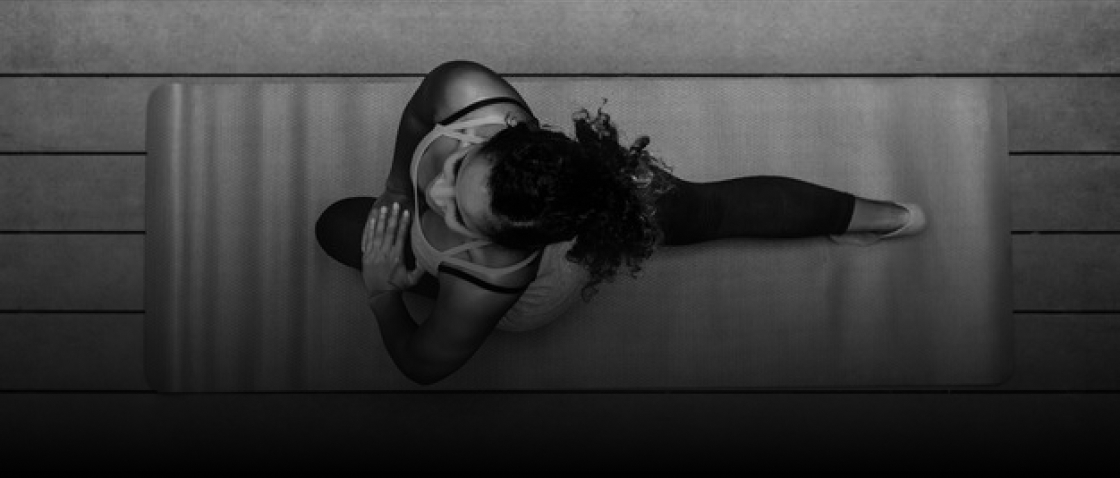
Nervous System Regulation
Regulation is not about forcing the nervous system to calm down. It is about creating enough safety, connection, rhythm and flexibility for the nervous system to move out of defensive states on its own.
I’m actively using nervous-system regulation a lot. Not as more exercises to add to the list. This for me has more to do with attention and priority. I needed to encounter real difficulties in recovering from surgery before I made myself these priorities to let my body feel safe and connected again. But they do work and they work together.
The goal is not a particular state of calmness; it is greater capacity to move between states without becoming stuck in them. Sometimes a person who is shut down needs gentle activation rather than further calming. Sometimes someone who is hyperactivated needs containment rather than stimulation.
When self-regulation is not enough
Some states cannot be reached from the inside using self-regulation alone. Sometimes persistent hyperarousal, shutdown, dissociation, anxiety, insomnia, panic or inability to feel safe reflects something that needs to be understood rather than merely regulated. In those situations, psychological guidance can be part of regulation.
A therapist, psychologist or other appropriately trained professional can provide something additional: co-regulation, perspective, meaning-making, and a safe relationship in which previously overwhelming experiences can gradually become tolerable.
1. Follow the morning light
Morning light does more than “wake you up.” Light entering the eyes helps synchronise the suprachiasmatic nucleus, the brain’s central circadian clock, with the external day. This influences melatonin timing, cortisol rhythms, alertness, sleep pressure and metabolic processes. Especially after periods of stress, illness, travel or disrupted sleep, regularity can matter as much as relaxation.
Circadian rhythm is one of the deepest regulators of the nervous system. Give your nervous system a reliable temporal signal.
2. Be in nature
Urban environments, screens, traffic, notifications and social demands constantly ask the brain to orient, evaluate and respond. Natural environments tend to provide softer, less demanding sensory information: wind, trees, distance, repetitive sounds, changing light. Walking without a destination, sitting under a tree, looking at a landscape. They all allow attention to become less effortful.
Give attention somewhere that does not constantly demand a response from you.
3. Hear the silence
This can be in a quiet environment or a meditative focus on the space between words and thoughts. Silence isn’t simply the absence of sound. It creates a reduction in incoming information. This can initially feel uncomfortable. When external stimulation decreases, thoughts, emotions, bodily sensations or unfinished experiences may become more noticeable. So silence isn’t necessarily immediately soothing. And if silence feels intolerable, that itself can be useful information.
Sometimes we need enough quiet to hear what has been asking for attention.
4. Turn the kindness inward
Self-compassion changes the internal relationship with stress.
When we are struggling, the nervous system doesn’t only respond to external circumstances. It also responds to our own interpretation of what is happening. “I should be coping better.” “Why am I still like this?” “I need to get myself together.” These internal threats can keep the system activated after the original threat has passed.
The question shifts from “How do I make myself stop feeling this?” to “Can I meet what is happening without making it more threatening?”
5. Hug your loved ones
A nervous system doesn’t develop or function in isolation. Safe relationships provide cues of belonging, predictability and protection. Touch, proximity, facial expression, voice and shared attention can all communicate safety. This is why connection can sometimes accomplish something that an individual regulation technique cannot.
But it also means that “just connect with people” isn’t universally helpful. If relationships themselves are a source of threat, judgement or unpredictability, the nervous system may need safe connection, not simply more connection.
Human beings regulate each other. Sometimes regulation begins between two people before it becomes possible alone.
6. Follow the breath
Slowing the breath, particularly with a comfortable, slightly longer exhalation, can influence autonomic state and cardiovascular rhythms. But the goal shouldn’t be to achieve a particular breathing pattern or force the body into calm. The breath is one possible doorway into regulation, not a test of whether you can calm yourself down.
For some people, focusing on the breath actually increases anxiety, especially when bodily sensations already feel threatening. So perhaps the deeper invitation is:
Breathing is one of the few autonomic processes we can influence voluntarily. Find a rhythm that tells the body it doesn’t have to hurry or suppress.
7. Rest deeply
Sleep is essential for restoration, memory, immune function, emotional processing and metabolic regulation. The importance is often undervalued. But sleep itself is not always something we can deliberately do to regulate ourselves. Especially if someone is highly activated, exhausted but unable to sleep. Sometimes the first task is therefore not sleep but creating conditions in which vigilance can gradually decrease. And if insomnia persists, the problem may require more specific psychological support.
Rest is not always the starting point of regulation. Sometimes regulation is what makes rest possible.
8. Express, don’t suppress
The nervous system is influenced by what we do with emotion, not only by what we think about it. Emotions involve physiological activation, impulses, attention, meaning and action. Creative expression can provide a way for experience to move from an undifferentiated internal state into something that can be observed, felt and given meaning. Singing, writing, painting, dancing, making something even talking can externalise experience.
Give experience somewhere to go, without requiring it to become a problem you have to solve.